
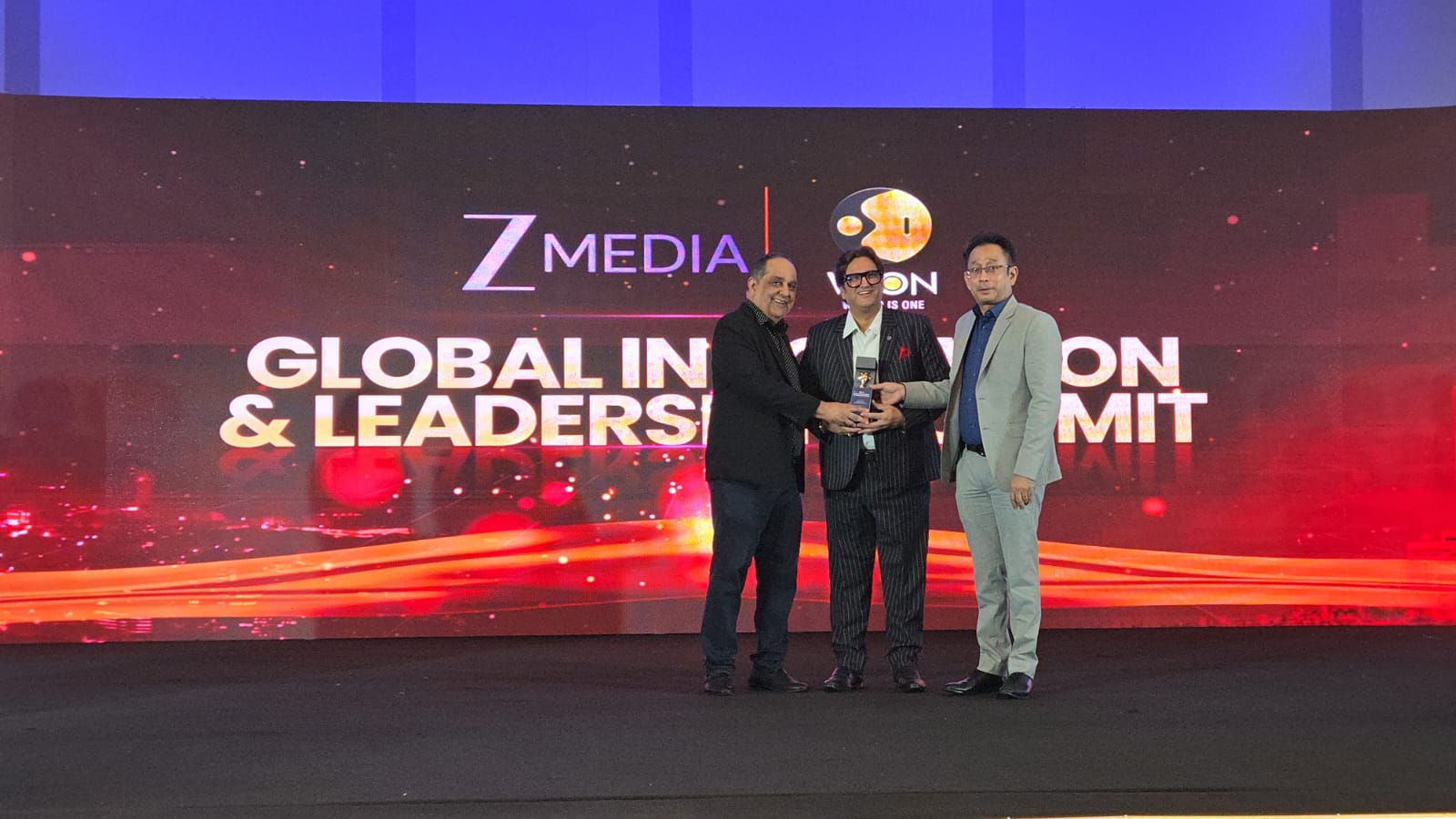
There are conferences you attend, and there are markets you begin to understand differently after visiting.
Colombo was the latter for me.
In May 2026, I travelled to Sri Lanka to attend the ZEE Media & WION Global Innovation & Leadership Summit. What stood out most was not the scale of the event, but the seriousness of the conversations taking place around the future of the region.
The discussions were not centred around short-term headlines or political rhetoric. They were focused on investment, infrastructure, tourism, logistics, financial services, entrepreneurship and regional economic cooperation.
As someone who works across investment banking, asset management and cross-border capital advisory, I often evaluate markets not only through economic indicators, but through institutional intent, policy clarity and the quality of long-term thinking visible within the ecosystem.
Colombo left a positive impression on all three counts.
In many ways, the India–Sri Lanka relationship is one of the oldest continuously connected corridors in Asia. For centuries, culture, spirituality, maritime trade and people-to-people movement linked the two nations long before modern economic frameworks existed.
What is now becoming increasingly visible is the transformation of that historic relationship into a more structured economic partnership.
That transition was evident throughout the summit.
Conversations with policymakers, business leaders and institutions reflected a clear focus on long-term economic development and regional integration. I had the opportunity to interact with distinguished leaders including:
- Hon. Hanif Yusoof — Governor, Western Province of Sri Lanka; Special Envoy to the President for Foreign Investments
- Hon. Chathuranga Abeysinghe — Member of Parliament, Sri Lanka; Deputy Minister for Industries & Economic Development
- Hon. (Prof.) Ruwan Chaminda Ranasinghe — Deputy Minister of Tourism, Sri Lanka
- Hon. Sajith Premadasa — Leader of the Opposition, Sri Lanka
- H.E. Santosh Jha — Indian High Commissioner to Sri Lanka
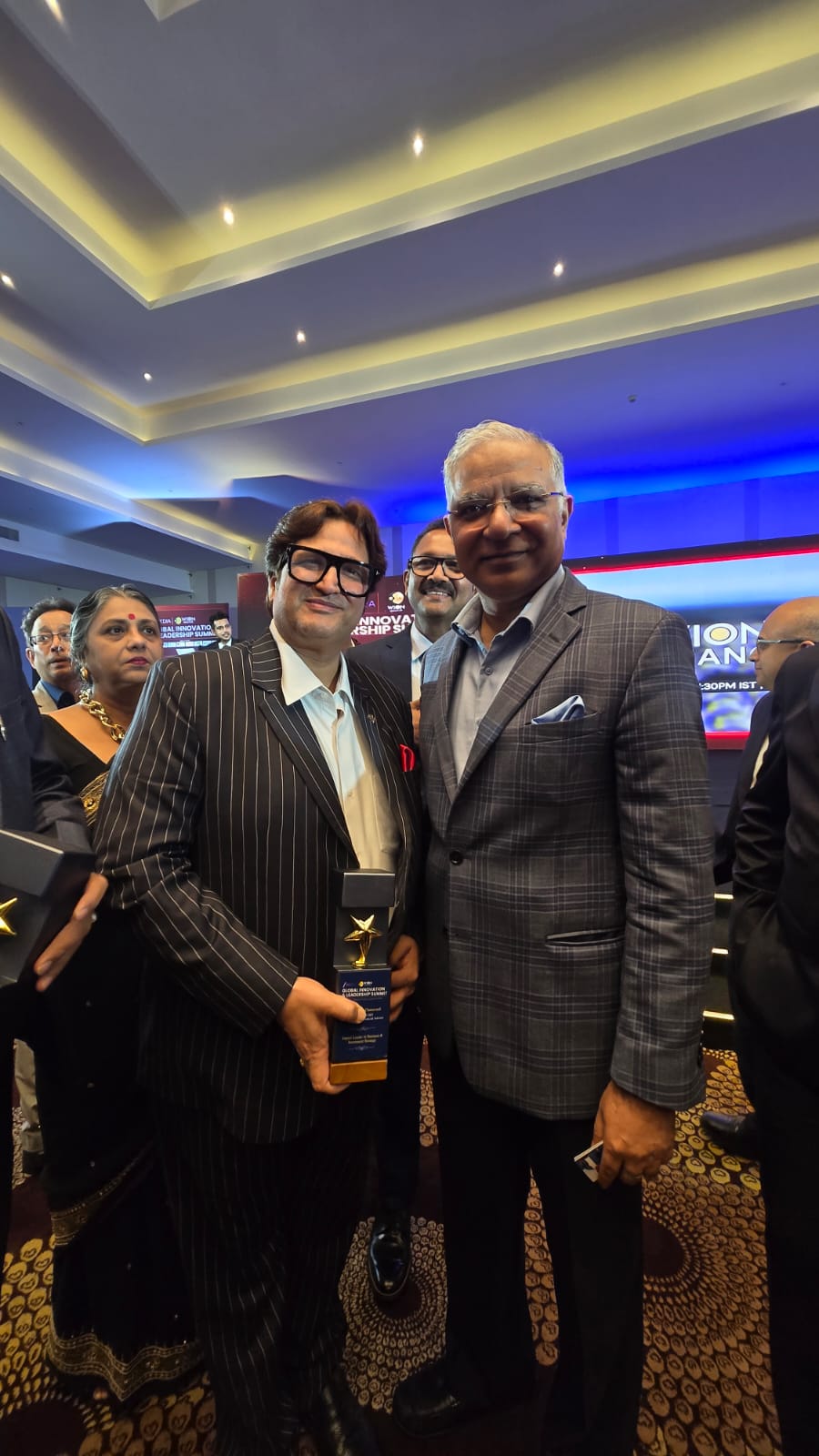
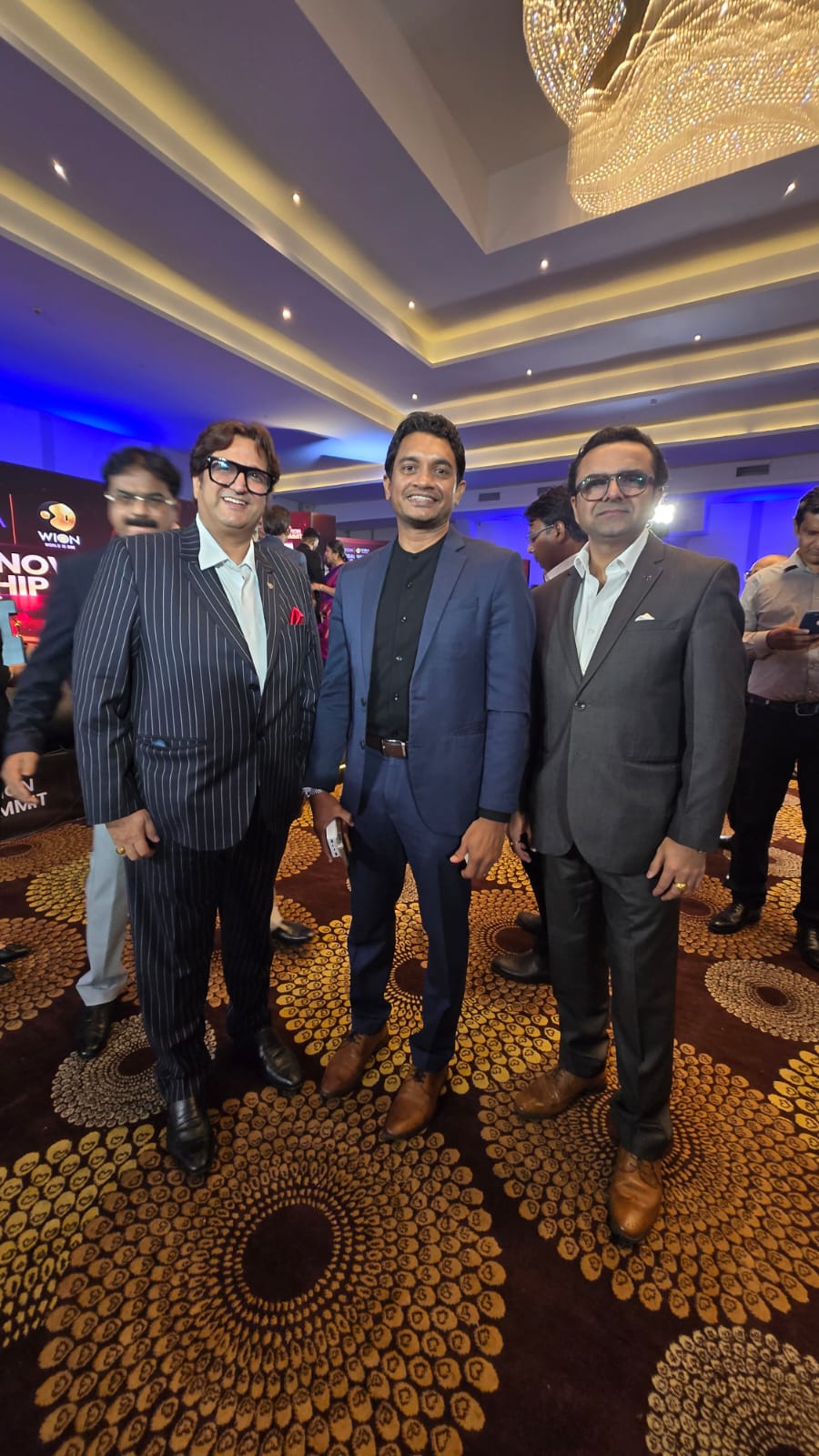
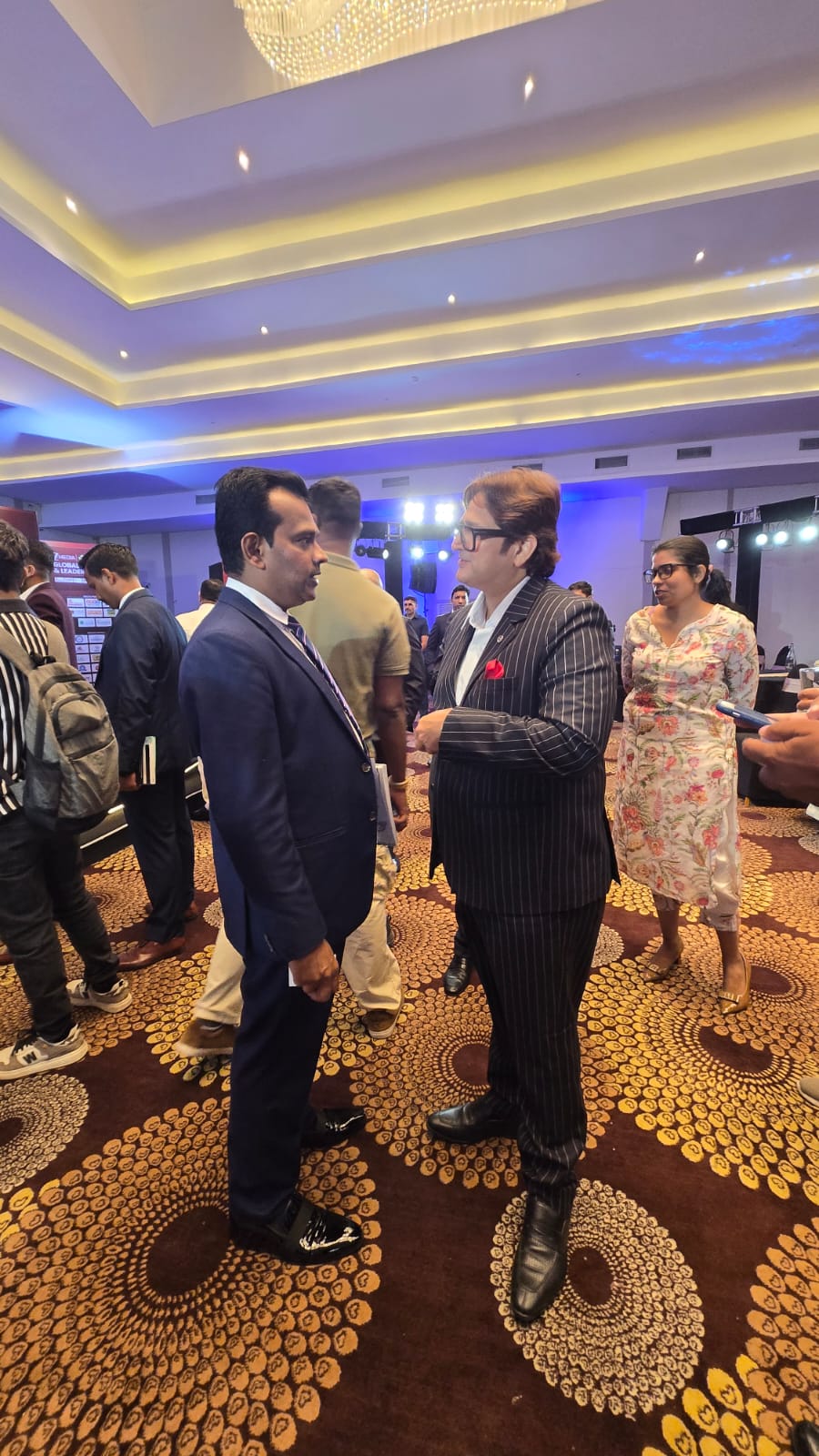
What stood out across discussions was the practical orientation toward execution. The conversations were not about whether regional cooperation should happen. The conversation had already moved toward how investment, trade and institutional participation could be accelerated responsibly and sustainably.
Sri Lanka today is positioning itself with increasing emphasis on infrastructure, tourism, logistics, entrepreneurship and capital participation. Simultaneously, India’s growing economic scale, manufacturing ambitions, digital infrastructure and deepening capital markets are reshaping the broader South Asian landscape.
Together, the opportunity extends beyond bilateral trade.
It points toward the emergence of a larger Indian Ocean economic corridor driven by connectivity, capital flows and institutional collaboration.
From the standpoint of investment banking and institutional capital, this creates meaningful long-term opportunities across:
- infrastructure and logistics,
- tourism and hospitality,
- financial services,
- digital commerce,
- strategic advisory,
- and cross-border investments.
At Indus Strategy Financial Advisors, we increasingly see regional integration becoming an important theme for the next decade of capital formation.
Over the years, our firm has evolved from a traditional advisory platform into a broader global financial services institution spanning investment banking, asset management and institutional wealth solutions, with relationships across India, the Middle East, Southeast Asia, Europe and the United States.
One important takeaway from Colombo was this:
The foundation of trust between India and Sri Lanka already exists through centuries of civilisational connectivity. The next phase will be defined by how effectively governments, institutions, investors and businesses convert that trust into long-term economic value creation.
The opportunity across the region is significant.
The institutions that will lead this next phase will be the ones capable of building trusted economic bridges across borders with patience, credibility and long-term vision.
—
Manish Chaturvedi
Founder & Managing Director
Indus Strategy Financial Advisors